
Technology • Hull Design

Deep-V Hull Design — Behaviour, Load and Control Offshore

Deep-V is not a marketing label. It is a set of geometry and balance decisions that determine ride, control, efficiency and predictability — especially when the boat is working under load.

What “Deep-V” actually means

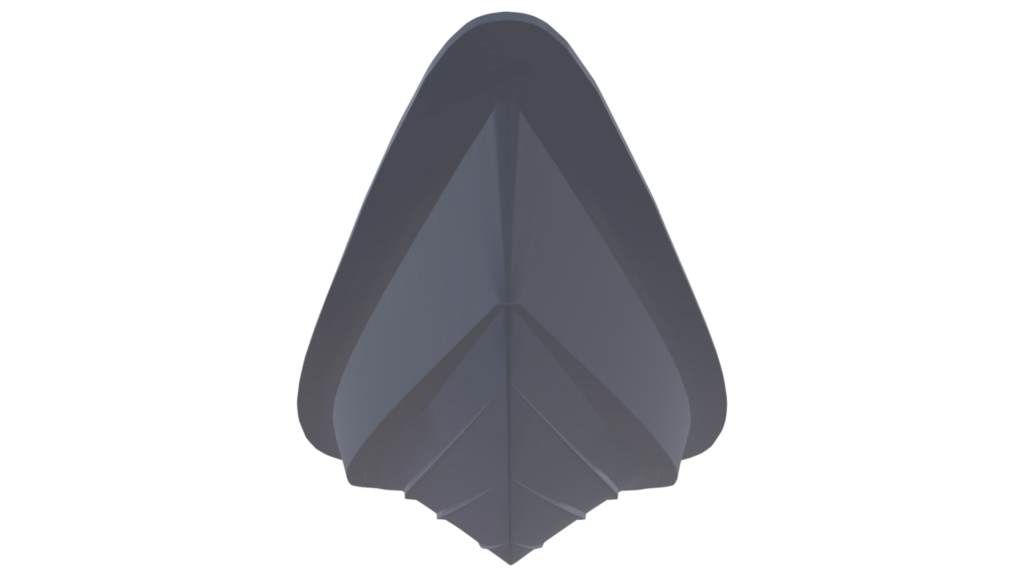
“Deep-V” is commonly used to describe offshore-capable hulls, but the real performance comes from the full hull geometry — not a single angle number. Deadrise interacts with strakes, chines, keel line, beam distribution and weight balance.

A practical way to think about it: deep-V hull design is about controlling impact loads, keeping the boat predictable, and maintaining efficiency across a wide range of sea states and payloads.

Key point: Deep-V is not “better” by default. The best hull is the one that stays controlled and efficient in its real operating duty cycle — speed, load, sea state and mission profile.

What hull design must deliver in the real world

Professional boats need repeatable behaviour. In offshore work, the hull must protect the crew from fatigue, keep control under power, and remain stable during low-speed manoeuvres and recoveries.

Ride comfort in short, steep chop

A well-designed deep-V reduces slamming by shaping how the hull re-enters the water. Comfort is not luxury — it is a safety and endurance factor for crews working hour after hour.

Predictable handling under load

Payload changes trim. A hull that stays balanced across load cases maintains steering authority, stability and confidence — particularly at speed and in turns.

Spray control and visibility

Chines and spray rails are not styling. They manage how water is released from the hull, helping reduce drag and keeping the deck and crew drier — improving visibility and comfort in wind and cross sea.

Why one “V angle” is not the full story

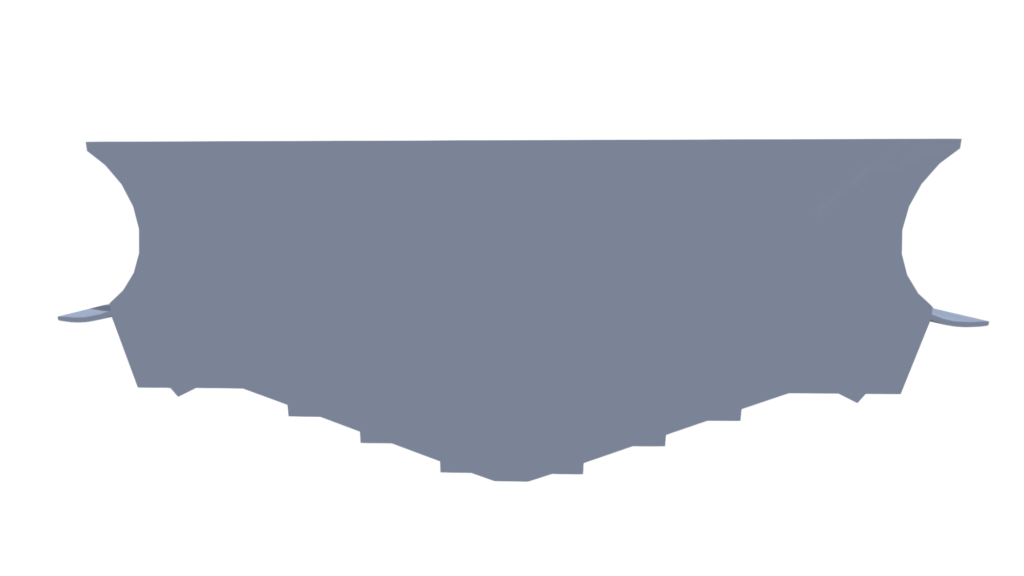
Deadrise is usually quoted as a single number, but hulls do not have a single angle everywhere. The entry, mid-section and aft sections behave differently — and design choices are often a compromise between impact control and efficiency.

  • Entry shape influences how impact loads begin.
  • Running surface influences lift and efficiency.
  • Chines and spray rails control water release and stability.
  • Balance determines how the hull actually runs under load.

Load, trim and why “working boats” feel different

Professional RIBs rarely run light. Divers, tools, fuel and equipment constantly change trim. The hull must remain predictable as the centre of gravity shifts.
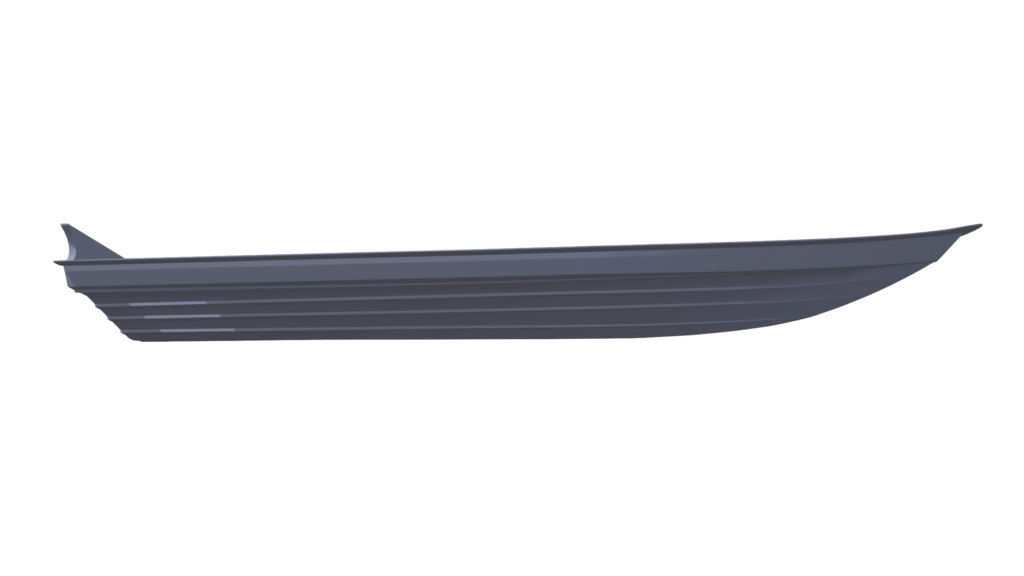
Running attitude matters

A stable running attitude reduces pounding, improves efficiency and keeps control consistent in changing sea states.

Low-speed stability is part of the design

Professional work includes docking, recoveries and transfers — where stability matters as much as top speed.

Efficiency is not optional

Balanced hull geometry reduces drag, fuel burn and operating costs over long duty cycles.

The bottom line for offshore operators

A hull is proven when it stays controlled, efficient and predictable in the seas you actually run, and when the boat is loaded as it will be in real work.

Professional duty cycles demand predictable behaviour. Deep-V hull design is the engineering of impact control, lift management and balance — not a single number.

FAQ

Is a deeper V always better?
No. Performance depends on how geometry, lift and balance work together.

Why do deep-V hulls feel different?
Because deadrise alone does not define behaviour.

What matters most for a working boat?
Predictability under load.

Note: hull geometry and running surfaces may vary by model and role.

Scroll to Top