
From original offshore innovation to Tornado Boats in Portugal.
Tornado Boats was shaped by real offshore work, engineering discipline and the constant demands of professional use at sea.
This page explains where Tornado came from, how the brand evolved, and how that engineering heritage continues today through the present-day Tornado Boats in Portugal.
In short: Tornado Boats was founded by David Haygreen, developed through real commercial offshore experience, became known for strong professional RIB design, and today continues in Portugal with the same engineering-first philosophy that built its reputation.
A professional boat builder shaped by operational need.
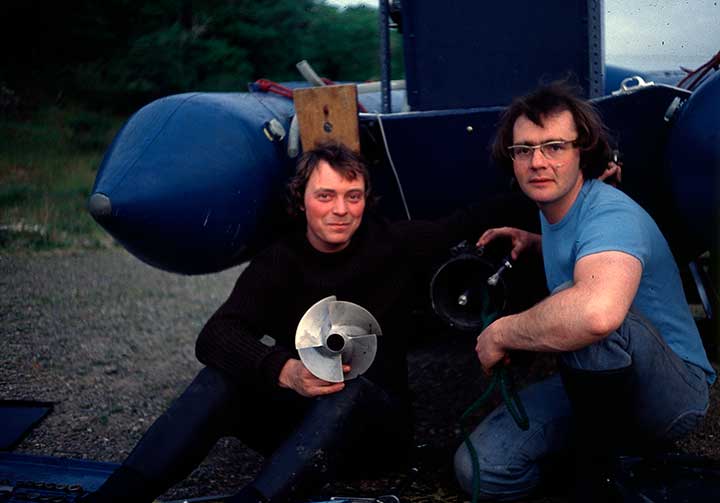
Tornado Boats was founded over 50 years ago by David Haygreen, a professional engineer and commercial diver whose career was forged in some of the most demanding marine environments.
Tornado was never conceived as a marketing concept. It was born from necessity, ingenuity and a deep respect for the forces of nature at sea — principles that continue to define the brand today.
Built from real offshore requirements, not showroom styling.
Tornado became known through practical design, professional validation and material decisions made for hard operational use.
Origin
Real offshore origin
Tornado was created from operational need, not showroom styling. The boats were shaped by working conditions at sea from the beginning.
Validation
Professional selection
Early selection by the British Royal Navy helped confirm Tornado as a serious professional RIB platform.
Design logic
Engineering DNA
The brand became known for purposeful design, practical innovation and reliability before fashion.
Original development
Built from necessity
David Haygreen needed a boat that could work in harsh offshore conditions, so he built the platform he could not buy.
Early 1980s
Royal Navy order
Tornado boats were tested by the British Royal Navy and selected over competing designs, resulting in an order for 160 boats.
2014 onwards
Portugal continuity
Production became permanently established in Portugal, preserving the engineering philosophy and construction logic behind the brand.
The Origins of Tornado Boats
The name Tornado emerged naturally while reflecting on the raw power and unpredictability of nature. A tornado represents energy, movement and strength — exactly the qualities David Haygreen believed a professional boat should embody.
The original logo was deliberately simple: a single “T”, reflecting clarity, function and purpose. While the logo has evolved over time, the engineering intent behind the brand has remained consistent.
How Tornado Boats Began
While working as a commercial and scallop diver, David needed a boat that simply did not exist: fast, stable, safe and capable of operating day after day in harsh offshore conditions.
Rather than compromise, he built his own. What began in a garage evolved into an early inflatable-rigid hybrid. Midway through construction, a rigid hull was integrated, giving birth to what would later be known as the Rigid Inflatable Boat (RIB).
In the early 1980s, Tornado boats were tested by the British Royal Navy and selected over competing designs, resulting in an order for 160 boats — a defining milestone in the history and reputation of Tornado Boats.
Engineering Before Fashion
From the outset, Tornado Boats was driven by engineering rather than appearance. Early Hypalon-style tube solutions were abandoned in favour of polyurethane, prioritising durability and resistance in hard use.
When adhesive limitations became apparent, Tornado pioneered welded polyurethane tubes, developing proprietary methods that later became influential in the professional RIB sector.
This same practical design logic still defines Tornado today: materials, hulls and systems must work properly in real duty cycles, not simply look good in a brochure.
From England to China to Portugal
For many years, Tornado boats were built in England, where the original factory, moulds and tooling were established under the founder’s direct control.
In 2006, production moved to China, with factory setup, processes and quality control personally overseen by David Haygreen. Throughout this period, design authority and technical direction remained with the founder.
Following later changes in the business and international brand structure, production briefly returned to England before being permanently established in Portugal in 2014.
Equipment and know-how from the original English factory were transferred to Portugal, helping preserve continuity in construction standards and engineering philosophy. Portugal was chosen for its maritime tradition, skilled workforce and Atlantic operating environment.
Brand Control and Continuity
During international expansion, Tornado appointed regional dealers. In some cases, this later contributed to confusion in how the brand was represented across different markets.
Following legal proceedings, Tornado successfully recovered full control of its name and brand, ensuring a clearer path for consistency in engineering, production and identity.
That continuity matters. For serious buyers and operators, the important point is not only where a website appears in search results, but whether the boats are still rooted in the original engineering intent that built Tornado’s reputation in the first place. For a direct clarification of the current official position, read the Official Tornado Boats Brand Statement.
The present-day Tornado Boats continues the original engineering story. The brand’s reputation was built through offshore work, purposeful design and long-term operational reliability — and that is the same foundation on which Tornado Boats in Portugal operates today.
The same engineering-first philosophy, carried forward in Portugal.
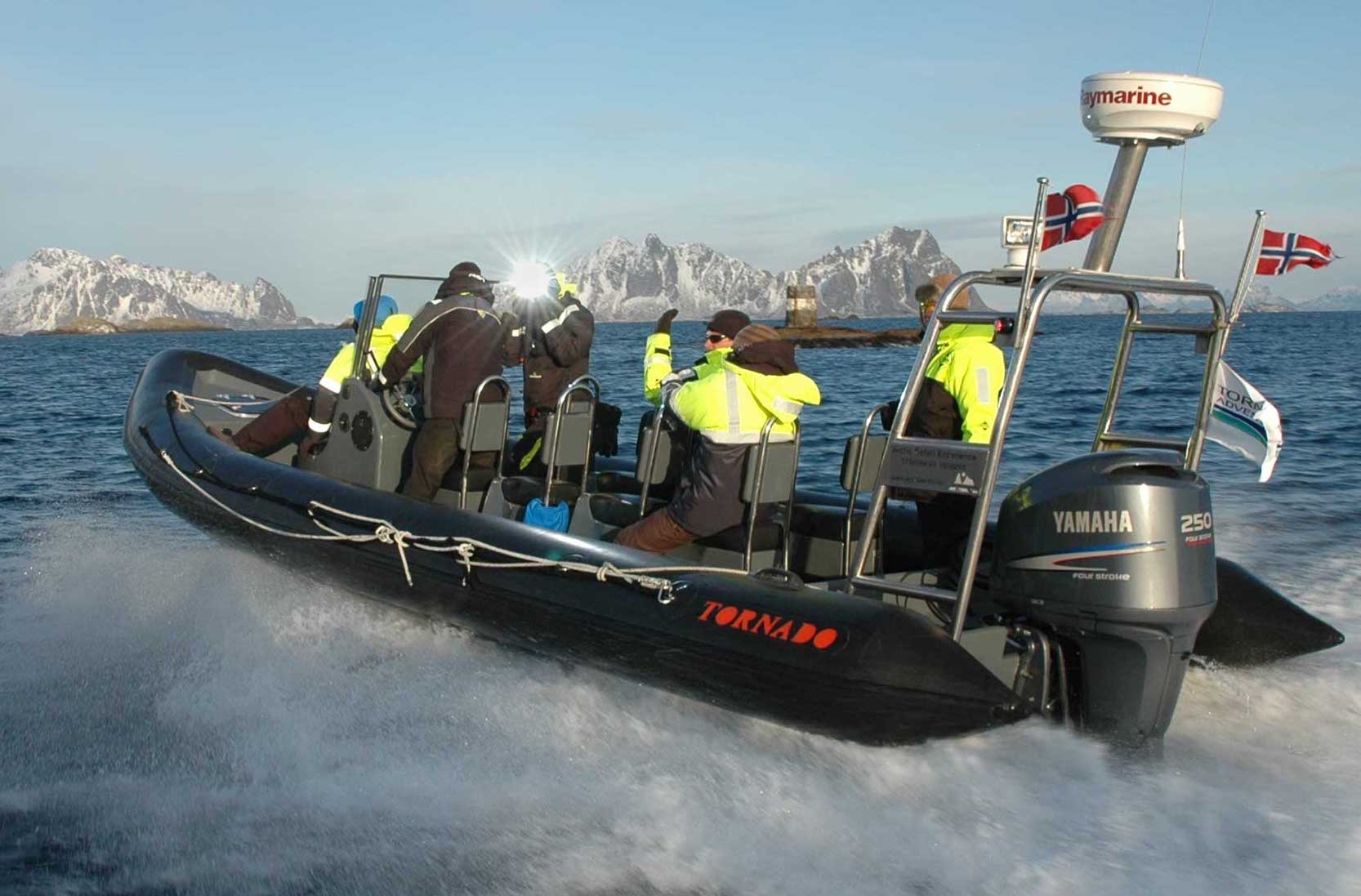
Today, Tornado Boats designs and builds professional RIBs in Portugal, serving commercial, rescue, diving, patrol and offshore applications. The current range covers professional boats from 5 to 12 metres.
David Haygreen works alongside Hugo Alves, with whom he has a professional relationship spanning more than 25 years. Hugo Alves, a professional diver and engineer, oversees development, production and technical management from Peniche, Portugal.
This is not a reinvention of the brand for marketing purposes. It is the continuation of Tornado Boats through the people, experience, tooling logic and engineering philosophy that shaped the original reputation of the name.
What the history means today
- Strength, seaworthiness and practical innovation remain central to the brand.
- Every Tornado boat follows honest engineering and purposeful design before fashion.
- The heritage is actively carried forward in the current Tornado Boats operation in Portugal.
Continue the Tornado story.
Explore the current Tornado range, the engineering principles behind the boats and the official company context behind the brand today.