
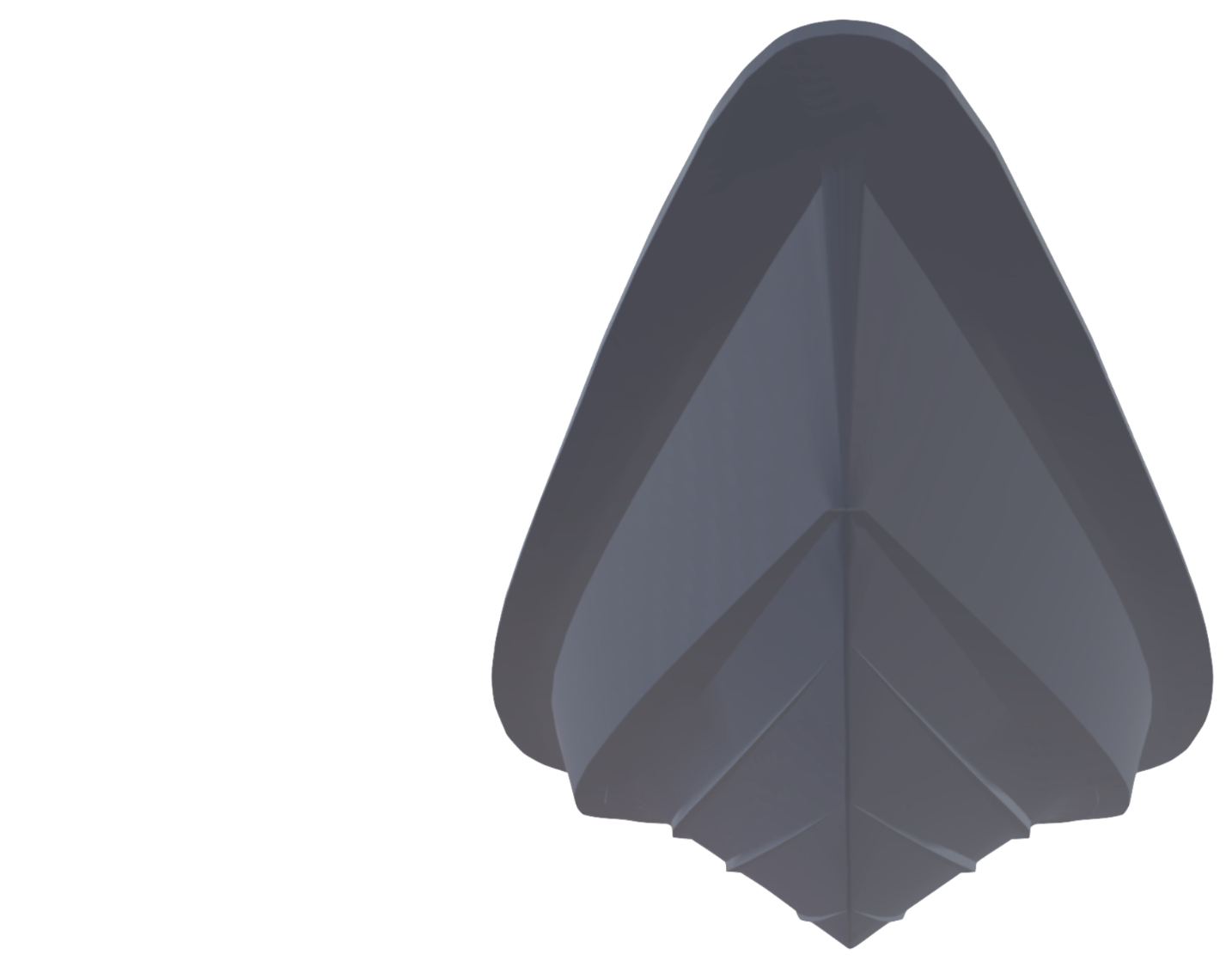
Deep-V Hull Design for Offshore Control
Deep-V is not a marketing label. It is the geometry behind impact control, load-carrying behaviour and predictable handling offshore.
In a professional RIB, hull design must work with payload, tube buoyancy, crew position, speed and sea state. The result is measured by control, fatigue reduction and repeatable behaviour in real operating conditions.
What a professional hull has to deliver
Offshore hull design is not defined by one deadrise number. It is a system of entry shape, running surface, chines, spray rails, weight distribution and tube interaction.
Impact control
A well-executed deep-V reduces harsh re-entry by shaping how the hull meets short, steep chop. Comfort is not cosmetic; it affects endurance and operational safety.
Predictable handling
Professional RIBs change load constantly. The hull must remain balanced as fuel, crew, divers, tools or equipment shift the centre of gravity.
Offshore efficiency
Deep-V geometry must manage lift and drag. A boat that stays controlled but wastes energy becomes tiring and expensive over long duty cycles.
Why one “V angle” is not the full story
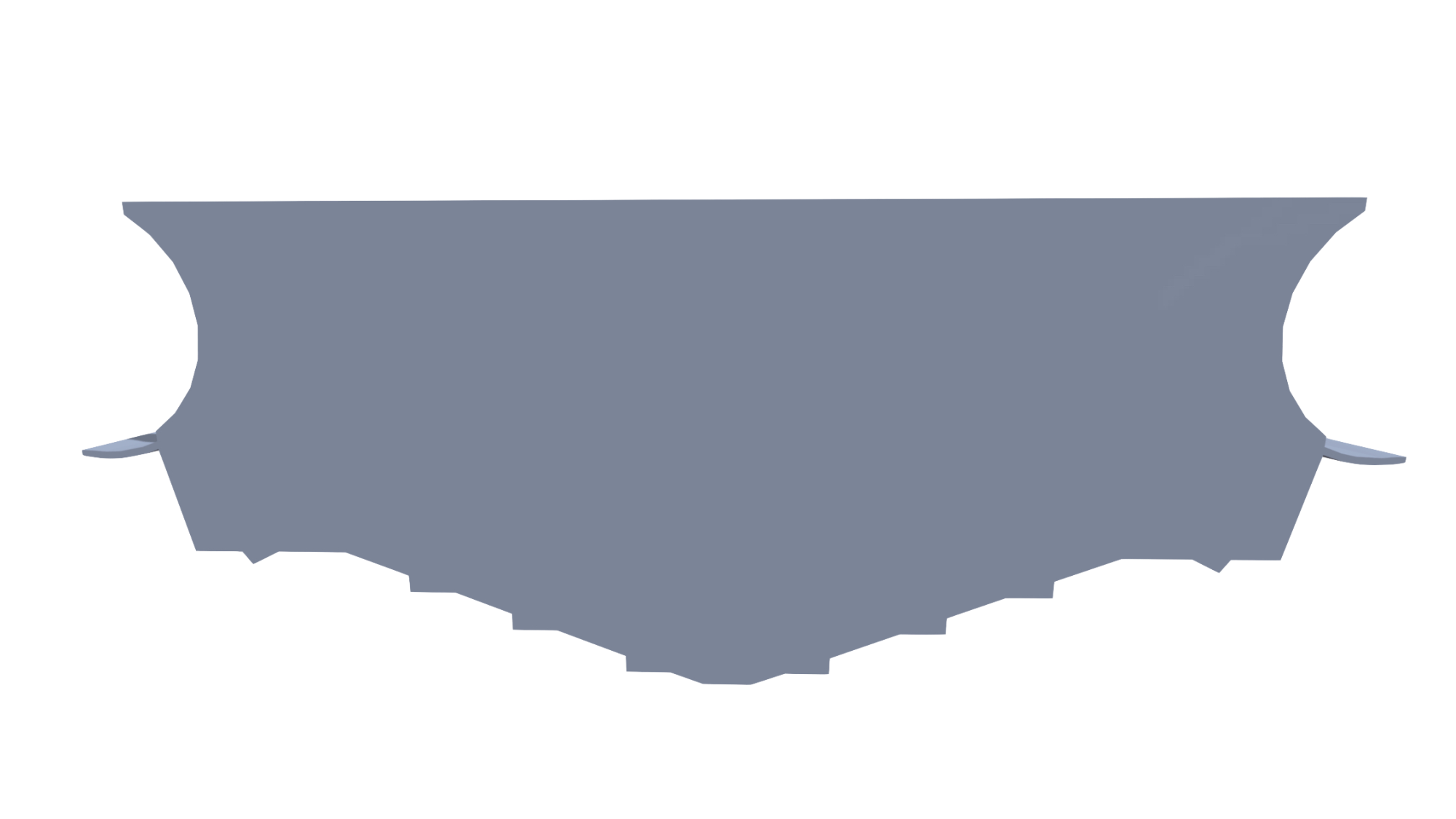
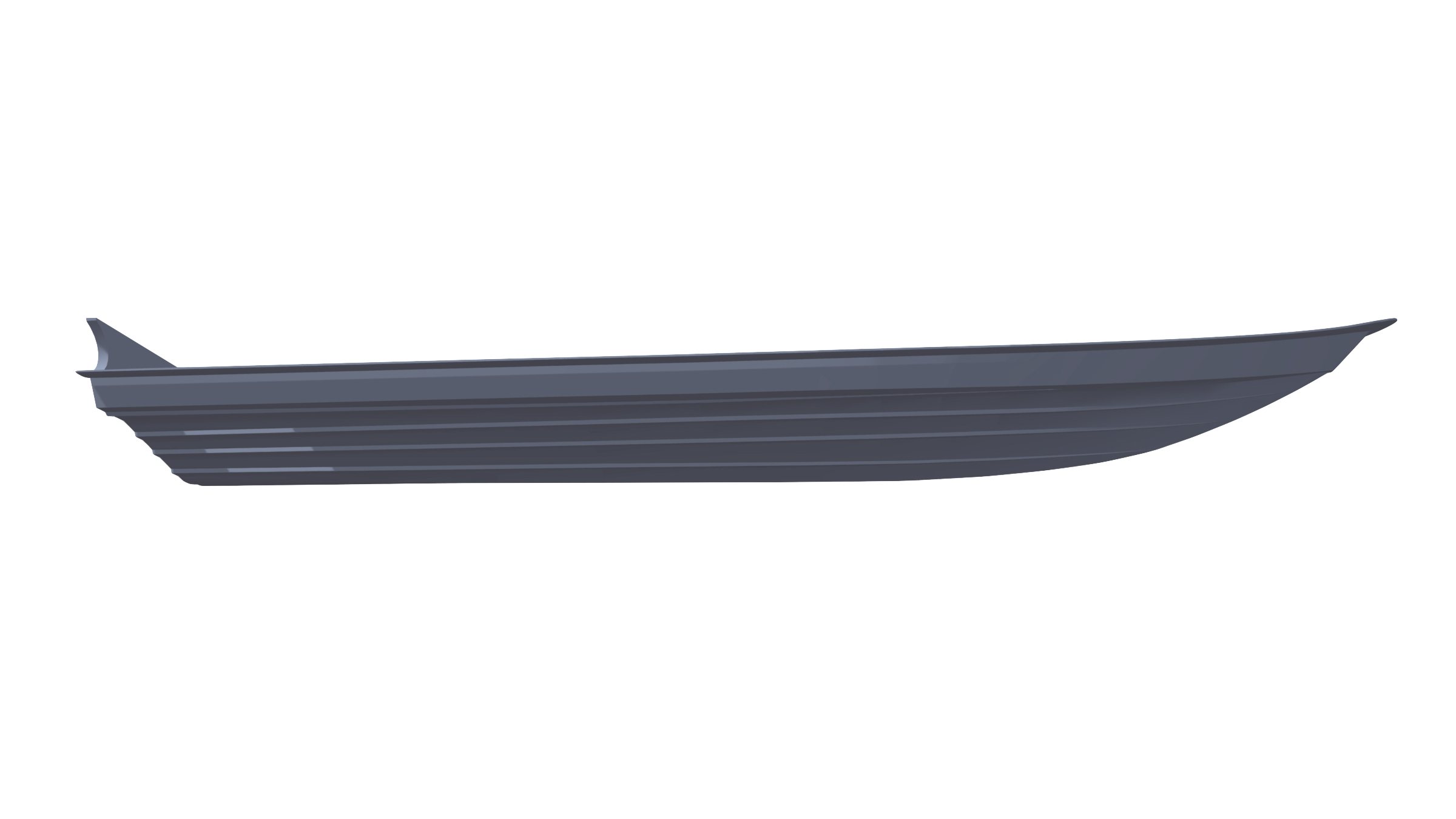
Deadrise is often quoted as a single number, but a hull does not have one angle everywhere. The forward entry, mid-section and aft running surface each behave differently.
The entry shape influences how impact loads begin. The running surface influences lift and efficiency. Chines and spray rails control water release, stability and spray behaviour.
For an offshore RIB, these decisions must also work with tube diameter, beam, console position, engine weight and the operating load the boat is expected to carry.
Entry shape
Determines how the hull begins to split and absorb incoming water at speed.
Running surface
Controls lift, trim and efficiency once the boat is planing under power.
Chines & rails
Manage spray release, lateral grip and low-speed stability.
Balance
Determines how the hull actually runs once loaded with engines, crew and equipment.
Why working boats feel different
Professional RIBs rarely run light. Divers, tools, rescue gear, fuel and passengers constantly change trim. Hull behaviour must remain consistent as the centre of gravity moves.
A stable running attitude reduces pounding, improves fuel efficiency and helps the helm maintain control in changing sea states.
Low-speed stability also matters. Docking, transfers, recoveries and alongside work are part of the duty cycle, not secondary requirements.
Running attitude
The boat should not feel nervous, bow-heavy or unpredictable as payload changes.
Crew endurance
Reduced slamming and controlled re-entry help reduce fatigue during long operating days.
Operational economy
Balanced geometry reduces wasted energy, supporting range and operating cost control.
Deep-V within the complete RIB platform
A RIB is not only a hull. Tubes, structure, deck layout, engine installation and operating role all influence how the boat performs.
Hull and tubes
Tube buoyancy supports stability and reserve flotation, while hull geometry defines planing behaviour and offshore ride.
Structure and load
A professional boat must tolerate real equipment weight without losing predictable handling.
Material choices
Tube material, construction method and repair strategy all affect suitability for commercial or demanding use.
Use case
Patrol, diving, passenger transfer and recreational offshore use place different demands on the same design principles.
The bottom line for offshore operators
A hull is proven when it stays controlled, efficient and predictable in the seas you actually run, with the boat loaded as it will be in real work.
Is a deeper V always better?
No. Performance depends on how geometry, lift, balance and operating load work together.
Why do deep-V hulls feel different?
Because the hull re-enters and releases water differently. Deadrise alone does not define behaviour.
What matters most for a working boat?
Predictability under load, controlled ride, low-speed stability and efficient running over long duty cycles.
Note: hull geometry, running surfaces and equipment layout may vary by model and operational role.
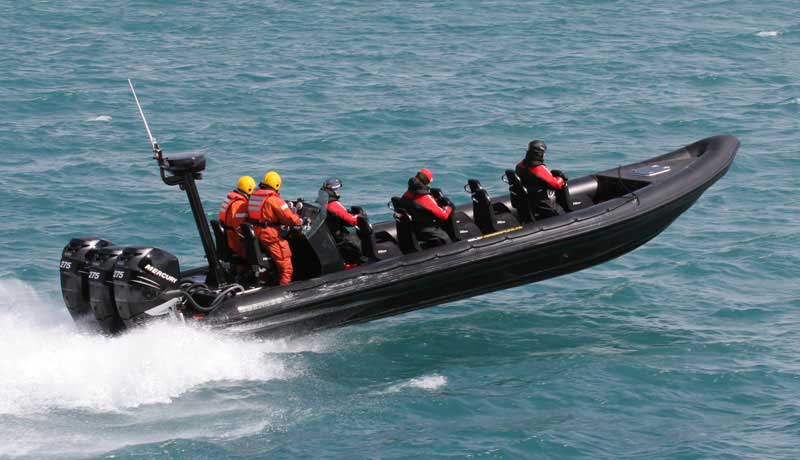
Built to work offshore.
Need a professional RIB for commercial, operational or demanding recreational use? Contact Tornado about the right configuration for real work at sea.