
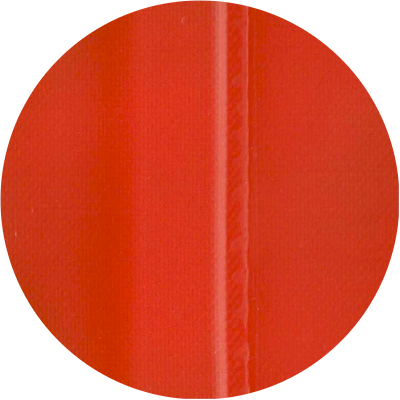
PU vs PVC Tubes
Tube material is not a cosmetic choice. In professional duty cycles it affects abrasion resistance, UV behaviour, seam integrity and real service life.
This comparison explains PU, PVC and CSM ("Hypalon") tube systems from an operational perspective: durability, surface behaviour, joining method and long-term suitability for professional RIB use.
PU, PVC and CSM explained practically
In the market, “Hypalon” is often used as shorthand for CSM tube fabrics. For clarity, this page compares PU against PVC and CSM-style tube systems commonly seen in the field.
PU / Polyurethane
- High abrasion resistance for repeated docking, beaching and daily handling.
- Strong surface behaviour in harsh marine exposure.
- Long service life with a clean, professional appearance.
PVC
- Cost-effective and common in leisure or entry-level builds.
- Flexibility typically relies on plasticisers that can migrate over time.
- Heavy UV and abrasive use can increase maintenance and surface wear.
CSM / “Hypalon”
- Traditional tube material category with long industry history.
- Usually joined with adhesive systems.
- Bond quality depends heavily on preparation, chemistry and workmanship.
Abrasion resistance is a daily-use issue
Quays, pontoons, beach landings, trailers, recoveries and crew movement all create abrasion. Over time, abrasion resistance becomes a direct indicator of tube life and long-term appearance.
CSM / “Hypalon”
Wore through after approximately 3 minutes in the comparison test.
PVC
Wore through after approximately 6 minutes in the same test.
PU
Continued beyond 40 minutes without wearing through.
Operational meaning
More abrasion resistance means better appearance retention and fewer premature tube repairs or replacements.
Three samples after the same abrasion comparison
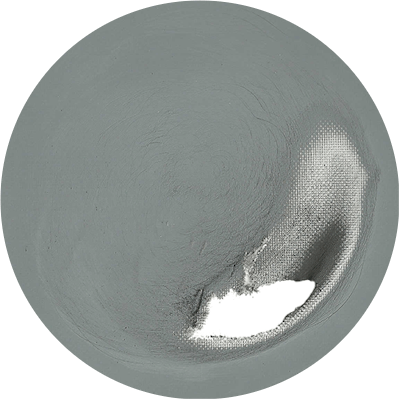
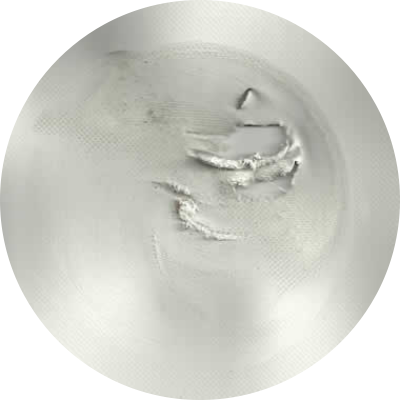
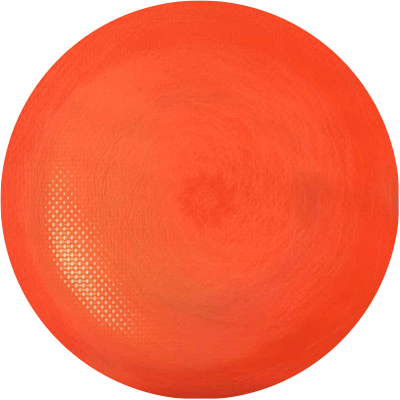
CSM / “Hypalon”
≈3 min
Wore through during the abrasion comparison.
PVC
≈6 min
Lasted longer than CSM in the comparison, but still wore through.
PU
>40 min
Did not wear through in the same comparison test.
The joining method matters as much as the material
A bonded seam is only as reliable as the adhesive system and surface preparation. In harsh marine service, the seam is one of the most critical parts of any inflatable structure.
CSM-style fabrics are typically joined with adhesive systems. Thermoplastic tube constructions, including PVC and PU-based systems, can support welded joints that do not depend on adhesive performance in the same way.
For professional use, computer-controlled welded seams offer repeatability, consistent airtight integrity and a cleaner profile with fewer exposed edges.
Repeatability
Controlled welding supports consistent seam quality across production.
Airtight integrity
Seams are critical to long-term pressure retention and tube reliability.
Clean finish
Streamlined joints reduce exposed edges and potential snag points.
Inspection
Seam consistency can be supported by controlled process and inspection methods.
Durable decisions matter over the full duty cycle
If a RIB is expected to work day after day — diving support, patrol, rescue, commercial transport or demanding recreational use — tube material and seam technology affect maintenance, appearance and reliability.
Common questions about RIB tube materials
Are PVC or CSM tubes always a bad choice?
No. Both can be appropriate depending on duty cycle and operating conditions. The key difference is behaviour over time under abrasion, UV exposure and heavy handling.
What is “Hypalon”?
Hypalon is a historic trade name widely associated with CSM tube fabrics. In the industry it is often used as a generic label, even when the exact specification varies.
Why do welded seams matter?
Seams are critical points in any inflatable structure. Welding is designed to create a strong, consistent bond and maintain airtight integrity over time.
Why can PVC change feel over time?
PVC is naturally rigid, so flexibility typically relies on plasticisers. With time and UV exposure, plasticisers can migrate or degrade, changing the surface behaviour.
Does PU require special maintenance?
Standard cleaning and sensible handling still apply. The advantage is stronger resistance to abrasion and harsh exposure in intensive use.
Where can I see this on actual models?
Explore Tornado models and specifications to see how tube technology and construction choices apply to real boats.
Note: specifications and construction details may vary by model and intended operational role.
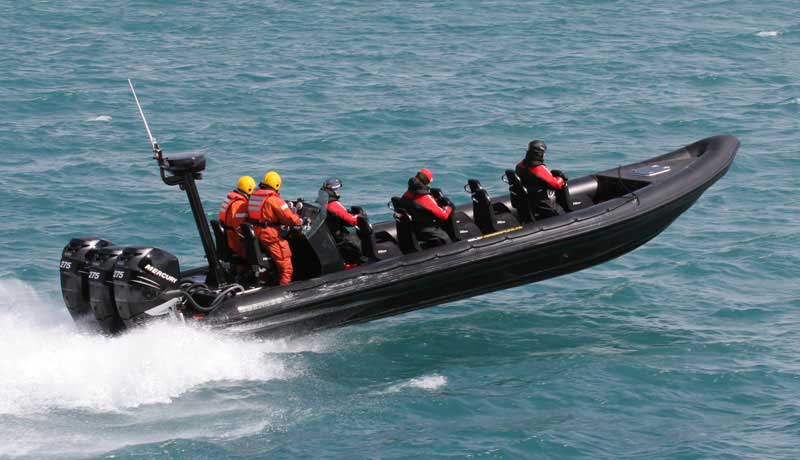
Built to work offshore.
Need a professional RIB for commercial, operational or demanding recreational use? Contact Tornado about the right configuration for real work at sea.